
Expiratory Muscle Training (EMT)
Expiratory Muscle Training, or EMT, strengthens the muscles responsible for forceful exhalation. It supports people who struggle with coughing, airway clearance, or swallowing due to neurological conditions, chronic lung disease, or weak cough function. By improving expiratory strength, EMT helps clear mucus more effectively, supports safer swallowing, and reduces the risk of respiratory infections linked to poor airway protection.
Understanding Expiratory Function

Expiratory muscles generate the force needed to push air out of the lungs during coughing, speaking, and swallowing. These muscles play a key role in clearing mucus and protecting the airway too.
When expiratory strength is reduced, coughing becomes weak and less effective. Mucus can remain in the airways, increasing the risk of infection and breathing difficulty.
Neurological conditions such as Parkinson’s disease, multiple sclerosis, and stroke commonly affect expiratory muscle control. Over time, this can compromise airway hygiene and swallowing safety.
Strong expiratory muscles support effective coughing, safer swallowing, and better vocal control. Maintaining expiratory strength is essential for protecting the lungs and maintaining respiratory confidence in daily life.
Challenges EMT Helps Address
Difficulty clearing mucus
.
A weak cough allows mucus to remain in the lungs.
Retained mucus increases the risk of infection and chest complications.
Swallowing and aspiration problems
Reduced expiratory strength limits airway protection during swallowing.
Fear of choking can lead to avoidance of certain foods or textures.
Speech and voice changes
Reduced breath support affects speech volume and clarity.
Speaking for extended periods becomes tiring.
Why EMT Matters
Weak expiratory muscles reduce the force needed to produce a protective cough. When airway clearance is ineffective, mucus builds up and infections become more frequent. Aspiration risk increases when material entering the airway cannot be expelled efficiently. Over time, this can lead to repeated illness, reduced confidence, and avoidance of social situations involving eating or speaking. Even modest improvements in expiratory strength can improve cough effectiveness, support safer swallowing, and restore confidence in breathing and airway control.
How EMT Works
Expiratory Muscle Training uses resistance-based breathing to strengthen the muscles responsible for exhalation. By training against controlled resistance, these muscles adapt and generate greater force during coughing, swallowing, and speech.
Step 1
The user exhales through a device that provides controlled resistance, engaging the expiratory muscles.
Step 2
Resistance is increased gradually as expiratory strength improves.
Step 3
Short daily sessions support stronger cough force, improved swallowing control, and better airway clearance.
POWERbreathe EMT Devices
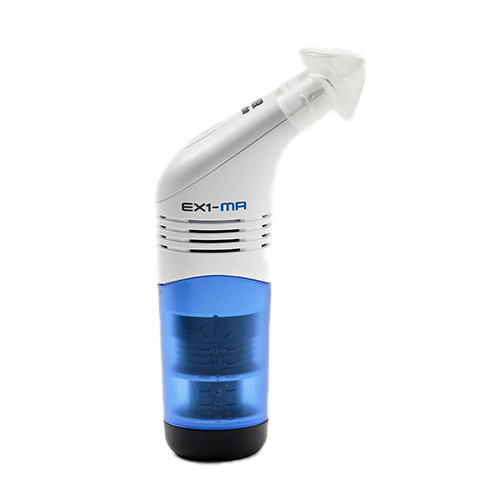
POWERbreathe Ex-1 EMT
Ex-1 device designed specifically for strengthening the muscles used during exhalation.
Developed in conjunction with Speech and Language Therapists.
Suitable for dysphagia therapy, neurological rehabilitation, and individuals with weak cough function.
Expected Results
With regular training, EMT leads to stronger expiratory muscles and a more effective cough. Improved airway clearance reduces the risk of infection and supports safer swallowing. Many users also experience stronger voice projection and improved confidence during daily communication and meals.